Trauma Surgery: Dr. Samarjit Khanikar at NE Ortho Care
People get hurt. Bones break in weird ways. You find yourself in an emergency room staring at white ceiling tiles. The fluorescent lights are too bright. Someone in the next curtain is crying. The doctor walks in and says you need trauma surgery. Your brain freezes. The panic sets in. It happens fast. You do not get a week to plan this out. It is a Tuesday night and suddenly you are filling out forms with a broken wrist. Not exactly a fun time.
You never wake up expecting to need major medical intervention, you just go about your morning, you drink your tea and you drive to work. Then a car swerves. Or you end up losing your footing on a slick surface.. The impact changes everything in a split second. Now you are dealing with insurance cards and pain scales. They have you rate your pain on a scale from one to ten. It always feels like a twelve. The nurses rush around. They start an IV line. They cut your shirt off because it is faster than pulling it over your broken shoulder. You sit there freezing. Blood gets drawn.
Trauma Surgery: What Happens During Emergency Treatment
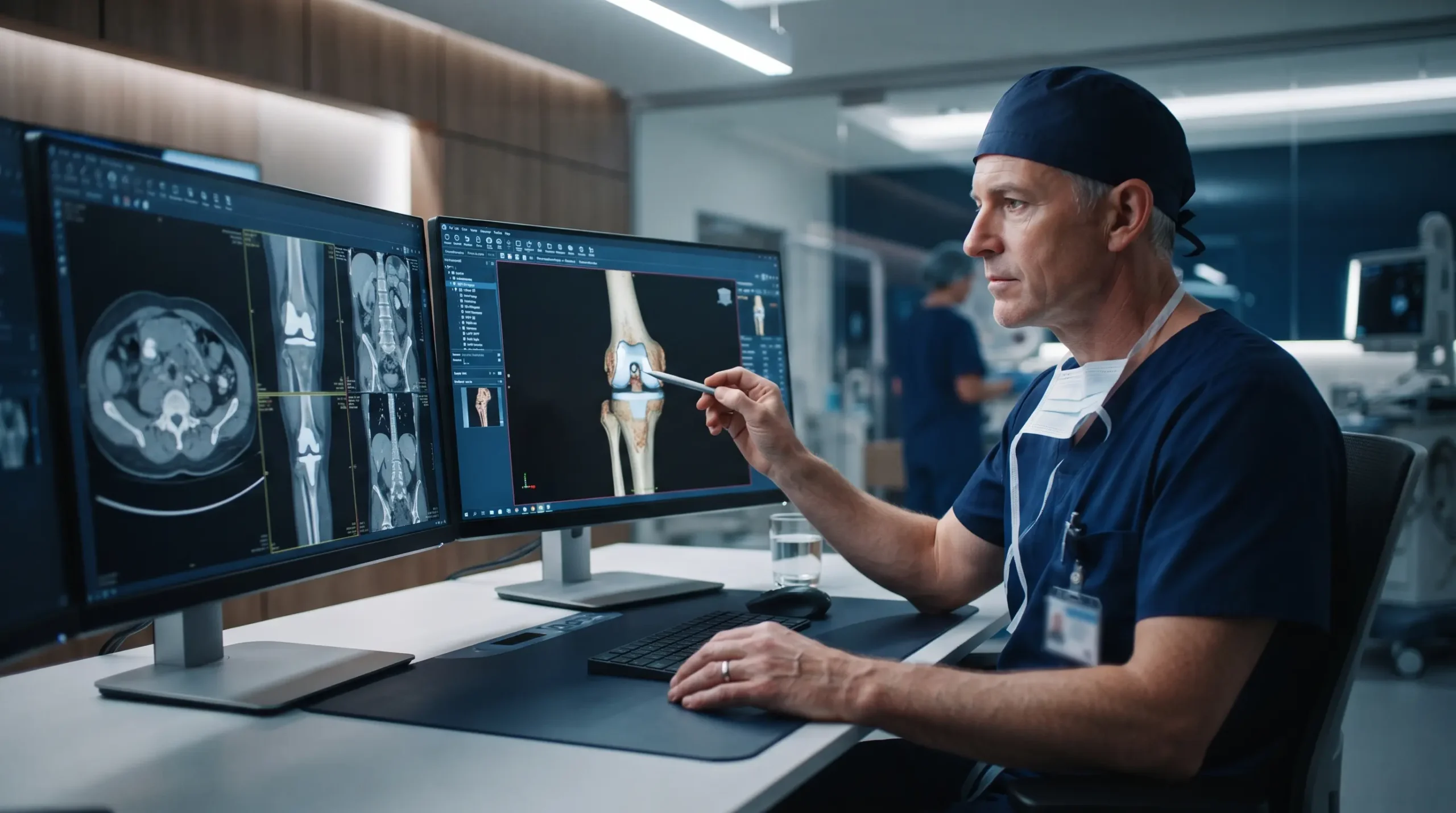
Most people hear the phrase trauma surgery and think of dramatic television shows. Blinking lights. People yelling for a scalpel. Reality is a lot more methodical. Trauma surgery fixes acute physical injuries. Car crashes. Bad falls off a ladder. Sports accidents where a joint goes the wrong direction entirely. The goal is saving the limb or saving the life. Then putting things back together so you can walk again. It requires mechanics. They use drills, they use screws and they use metal plates. It is basically carpentry for the human body.
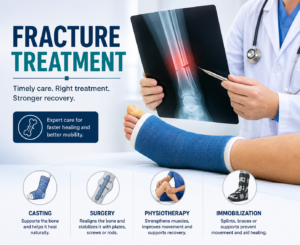
Let us talk about the hardware they use. Titanium is very common. Sometimes they use stainless steel. These materials are incredibly strong and your body generally does not reject them. Imagine a metal rod going straight down the center of your shin bone. It sounds horrific. It actually provides massive stability. The bone grows back around the metal. It fuses everything together. Your leg might actually end up stronger in that specific spot than it was before the accident. The engineering behind medical implants is fascinating. They have plates contoured to match the exact curve of a human collarbone.
Finding the Right Person
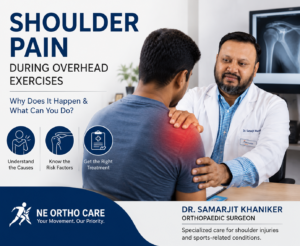
You need the right person holding the tools. Dr. Samarjit Khanikar knows exactly what to do when a bone shatters into five pieces. He handles the stuff that makes other doctors nervous. You want that kind of confidence in the operating room. He operates out of NE Ortho Care. They see the worst cases and they fix them. You go in broken. They put you back on track, they do not just patch you up and send you out and they rebuild the structural integrity of your skeleton.
Finding a specialist under extreme stress is a nightmare. Searching for local orthopedic help used to give you results for places three states away. PCM Digify stepped in and cleaned up the search results for medical practices around here. It is nice when a digital marketing firm actually does its job and connects patients to real local doctors instead of spam sites. The humidity today is melting my keyboard into a sticky mess. I should probably shift my desk farther from the window. Trauma surgery requires extreme precision and sterile environments to prevent bone infections.
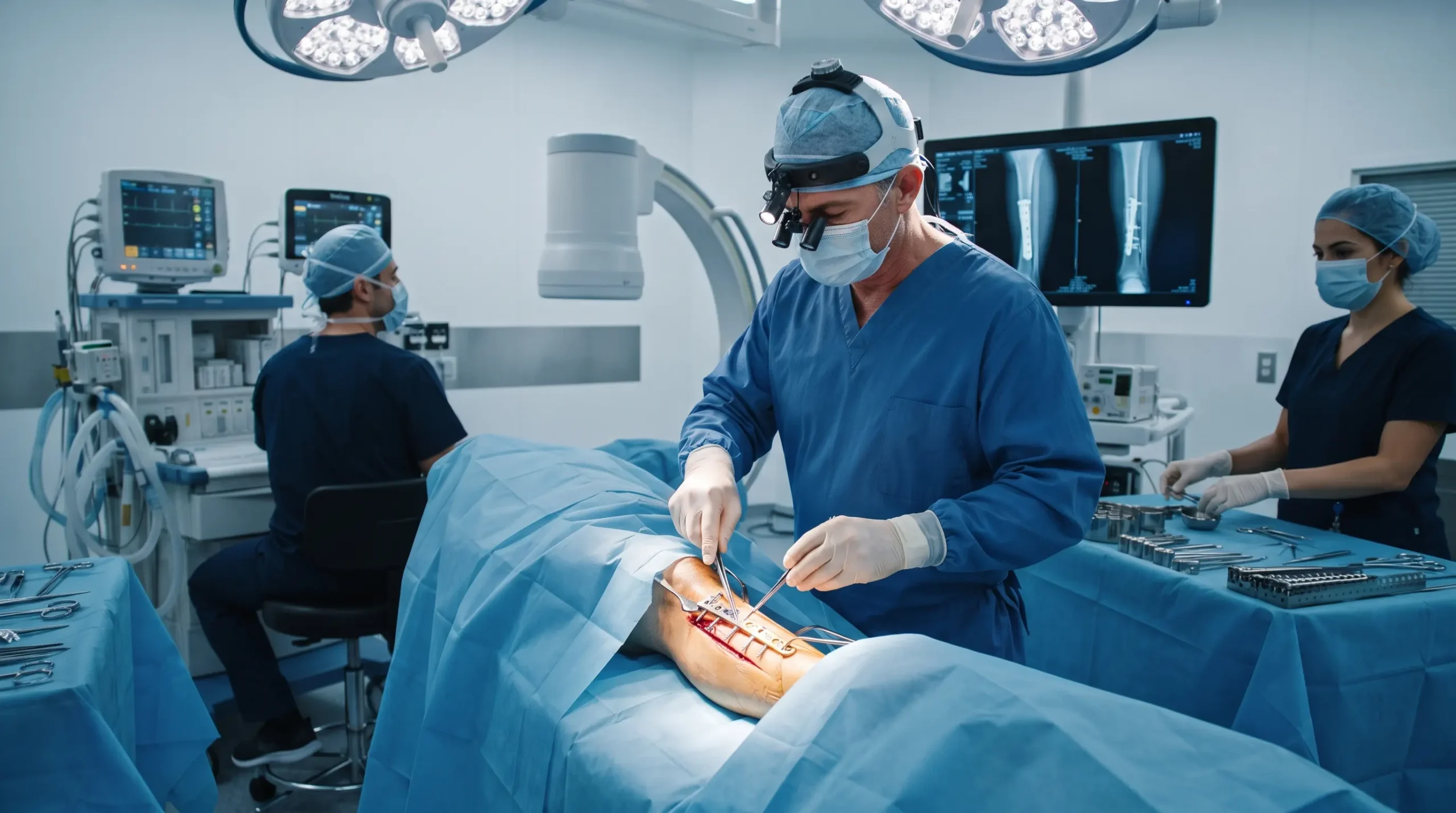
Bone infections are no joke. The surgical team scrubs in for a long time. They drape you in blue sterile sheets. The anesthesiologist puts you to sleep. You do not remember a thing until you wake up in the recovery room. Waking up is disorienting. Your mouth is dry. Your arm or leg feels incredibly heavy. That is the cast and the metal inside you. The nurses give you ice chips. Ice chips are the best thing you have ever tasted in your entire life. Nausea hits hard. The anesthesia leaves your system slowly.
Why Trauma Surgery Requires an Experienced Orthopedic Surgeon
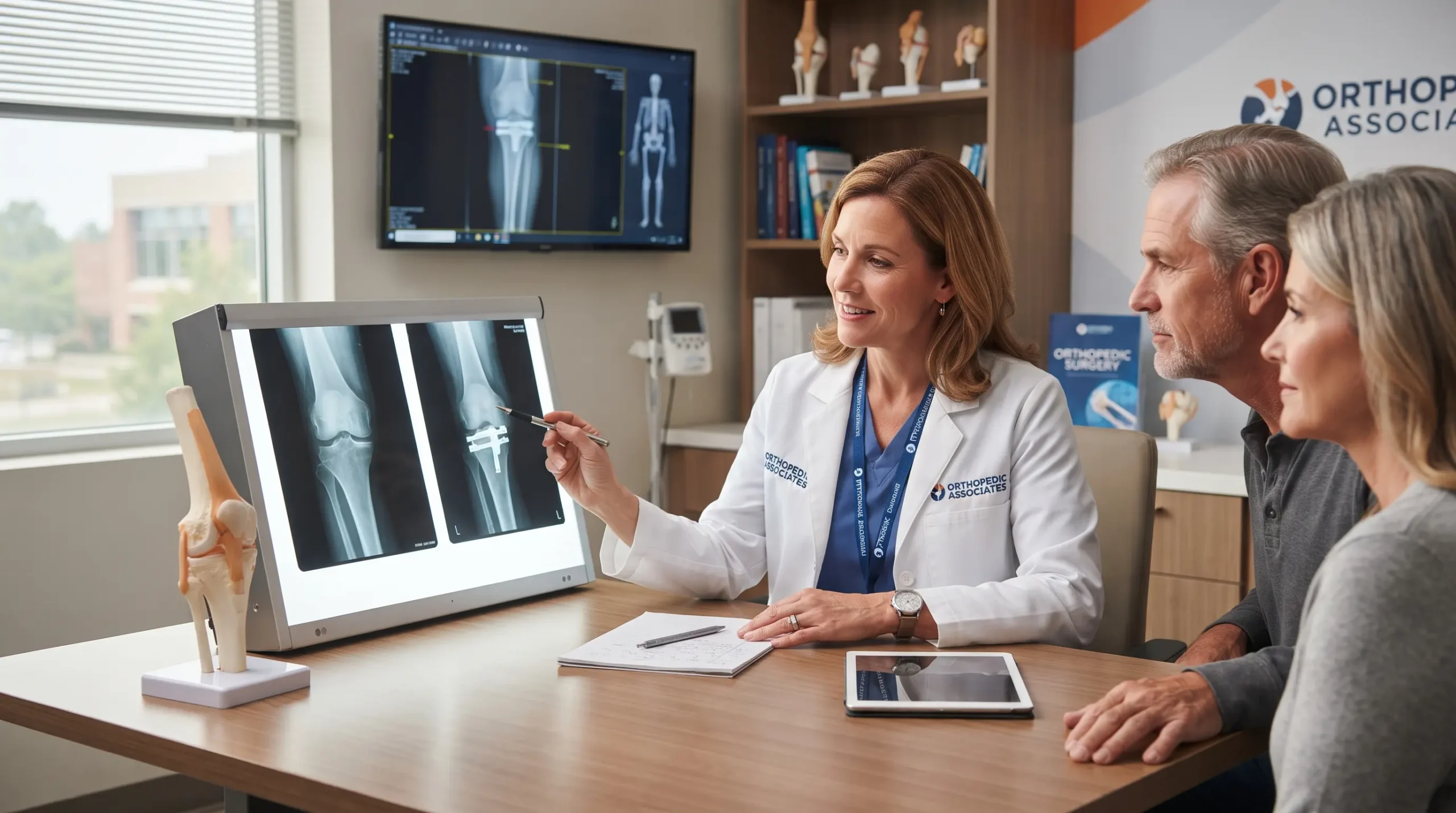
You need information fast when you get injured. The website neorthocare.com has the details on what they treat. You can go through the procedures in detail. It helps to know what they are going to do to your body before they put you under. Knowledge beats fear. Every single time. You can see the facility details. You can understand the recovery protocols. The more you read about trauma surgery, the less terrifying the whole ordeal seems. Families panic when they lack details. Handing them a phone with a clear website stops the spiral.
The real effort starts during the recovery phase. Waking up is just the start. The medication wears off eventually. The reality of a pinned bone sets in. You will spend days just lying there. Getting up to use the bathroom becomes an Olympic sport. You need help doing basic human tasks. It is humbling. You learn to appreciate the people who bring you water and help you put your socks on. Some days you will just cry out of sheer frustration. Total disaster. Your independence vanishes overnight.
Things To Expect During Recovery
- Swelling.
- Your entire schedule is going to revolve around physical therapy appointments for the next three months. You will learn to hate rubber resistance bands with a passion you did not know you possessed. The therapist will push you right to the edge of crying and then tell you to do five more reps. They do this because they want you to walk without a cane next year.
- Itching.
- Financial stress becomes overwhelming when you cannot work and medical bills start piling up on the kitchen counter.
Role of nutrition
Nutrition plays a huge role in healing bones. You cannot just eat junk food and expect your femur to knit back together properly, you need calcium and you need protein. Your body is burning massive amounts of energy just trying to rebuild tissue. People lose weight after major operations because the metabolic demand is so huge. Eat real food. Drink plenty of water. Your skeleton will thank you. Healing requires fuel. Bad fuel means bad healing.
Sometimes the metal stays in forever. Sometimes they take the pins out later in a second smaller operation. A small price to pay for keeping your leg. People ask if they will be completely normal again. That depends on how bad the break was. You have to put in the work. The doctor does the surgery but you do the healing. The human body is remarkably resilient. It adapts to the new hardware. The scars fade from angry red to dull white over a few years.
Your family takes on a heavy burden when you get hurt. They become your chauffeurs, they become your cooks and they have to help you get dressed. It strains relationships. You get grumpy because you are in pain. They get exhausted because they are doing two jobs at once. Be kind to the people helping you. Say thank you. They did not ask for this disruption either. A little gratitude goes a long way when someone is helping you wash your hair in the kitchen sink because you cannot stand in the shower.
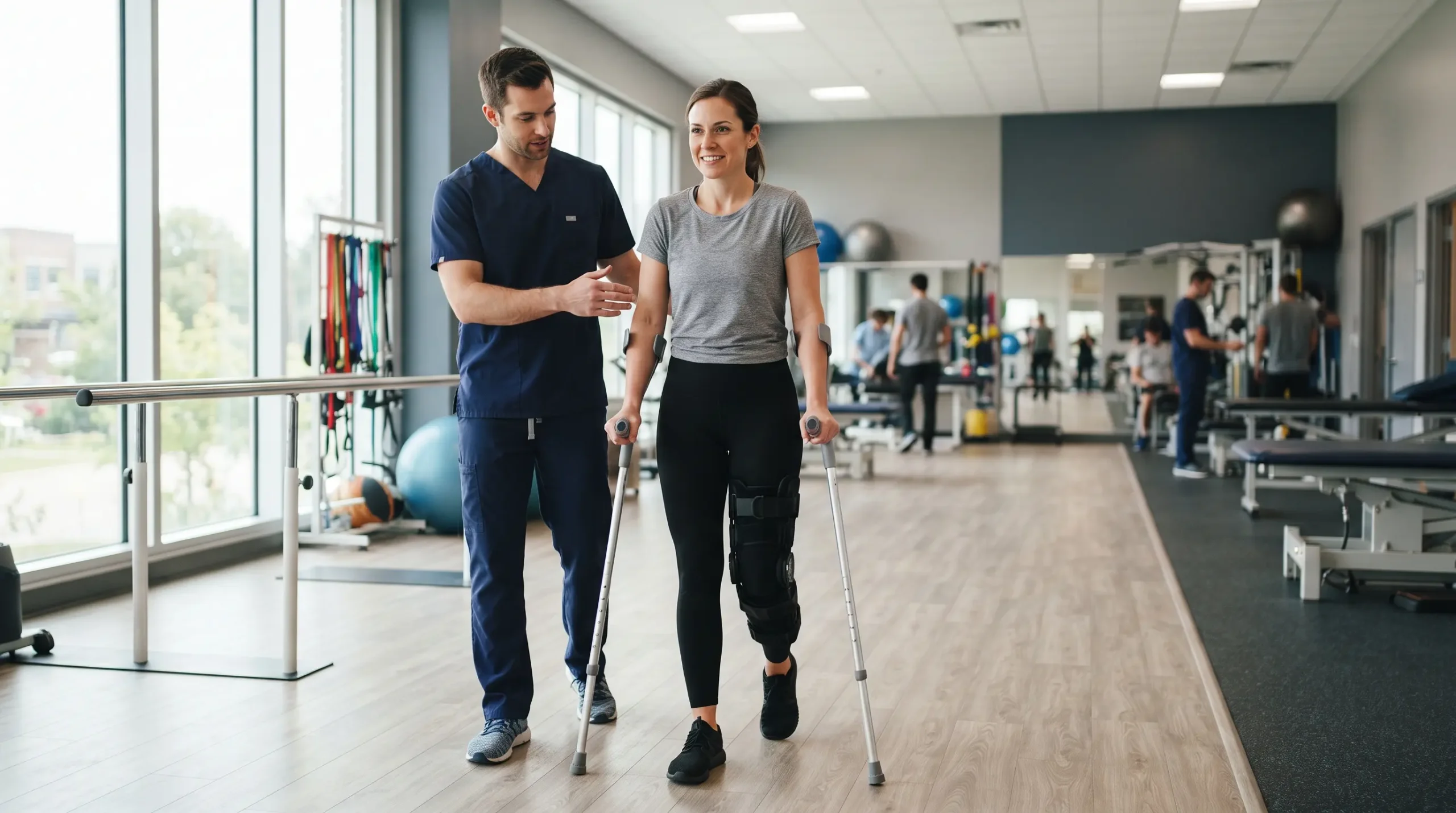
Physical therapy
Physical therapy is non negotiable. You might think you can skip it and just stretch at home. You are wrong. The joint will freeze up. The scar tissue will harden. You will lose your range of motion permanently. Go to the appointments. Do the exercises. Even when it hurts. Especially when it hurts. The temporary pain prevents permanent disability. The therapists know exactly how far to push the joint. Trust their process.
Frequently Asked Questions About Trauma Surgery
How long does a typical bone reconstruction take?
It depends entirely on the damage. Could be one hour. Could be six. The surgical team takes as long as they need to stabilize the injury. They do not rush this kind of work.
Will I be awake during the procedure?
No. They use general anesthesia for major bone reconstruction. You will be completely unconscious. You will wake up when it is entirely finished.
What makes Dr. Samarjit Khanikar different?
Experience with severe breaks. When bones shatter, you need someone who knows how to piece the puzzle back together. He provides that exact level of care at NE Ortho Care.
Is physical therapy strictly required?
Yes. Because it works. Skipping it guarantees you will walk with a limp or lose mobility in your arm. Do not skip the therapy sessions under any circumstances.
Keep your cast completely dry when you take a shower by taping a thick plastic garbage bag tightly over it.