5 Signs Your Joint Pain Needs an Orthopaedic Evaluation
Joint pain can restrict your mobility, comfort and daily activities. If symptoms persist, however, an orthopaedic evaluation may be necessary to determine the cause of the symptoms. A bone, joint, muscle, ligament and tendon problem can be diagnosed by an orthopaedic specialist.

-
Your Joint Pain Does Not Improve
Exercise, overuse or minor strain can be associated with temporary pain. But chronic pain should be given more consideration.
If joint pain persists (even with rest) think of getting medical advice. Arthritis, cartilage damage, ligament injuries or other joint conditions can cause continued pain.
So, do not overlook when the pain comes back again and again, or slowly worsens.
For additional information, you can explore trusted information on joint health and arthritis from the American Academy of Orthopaedic Surgeons.
-
Pain Starts Affecting Daily Activities
Joint pain should not prevent you from completing normal activities.
Walking, climbing stairs, standing, exercising and everyday activities may be difficult. There are also ways of moving that may be different from your usual routine to prevent pain.
These changes can lead to additional stress on other muscles and joints. Therefore, early evaluation can aid in the diagnosis of the issue and appropriate treatment.
-
You see swelling or stiffness
In most cases, there will be swelling and stiffness associated with joint conditions. These symptoms are caused by arthritis, injuries and inflammation.
Stiffness may be experienced after waking up or sitting for extended periods of time. It will also be more difficult to move the affected joint.
For instance, shoulder arthritis may lead to pain and loss of motion. Likewise, pain, stiffness and swelling may occur in the knee joint due to arthritis.
So, if swelling or stiffness continues, it’s time for an orthopedic examination.
-
Your Joint Feels Unstable or Locks
A few joint issues can lead to instability, catching or locking.
For example, ligaments or cartilage may be injured in the knee. Meniscus injury can result in pain, swelling, and knee movement issues.
You can also experience a sensation of your joint “giving way” while moving. If so, stay away from those activities that aggravate your symptoms.
Rather, be seen by an orthopedic specialist and examined for the appropriate treatment.
-
Your Joint Pain has come on after an injury.
When a person complains of joint pain following a fall, accident or sporting event it’s important to be careful.
In some cases, the injury damages internal organs that can’t be seen from the outside. An injury to ligaments, tendons, cartilage or bone may need additional evaluation.
In addition, persistent pain following an injury can be a sign of underlying issues. Depending on your symptoms, your doctor may suggest a physical exam or imaging tests.
What to expect at an orthopaedic evaluation?
The first part of an orthopaedic exam involves asking questions about your symptoms and medical history. Your doctor will then check the affected area.
The exam might involve checking movement, strength, tenderness, and stability of the joints. Your doctor may suggest imaging tests like an X-ray or MRI, depending on the symptoms you are having.
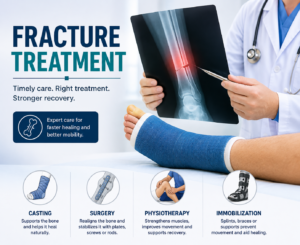
It is noteworthy that not all joint issues will necessarily require surgery. Treatment can consist of changes in activity, medication, physical therapy or other non-surgical methods. Surgery may be indicated if other treatments are not sufficient.
When to Seek Orthopaedic Doctor’s Advice?
When joint pain does not go away or interferes with activities of daily living, an orthopaedic evaluation should be considered. It is also a good idea to get an evaluation after major injuries and when the joint becomes swollen, stiff, unstable, or hard to move.
Early assessment will enable detection of the cause and may help to inform appropriate treatment.
However, if you are suffering from joint pain and it is affecting your mobility, you should seek orthopaedic care from NE Ortho Care. Dr. Samarjit Khanikar treats knee, hip, shoulder and other orthopaedic problems.
Frequently Asked Questions
When to see an orthopaedic doctor with joint pain?
Schedule an appointment with an orthopaedic physician if you are experiencing pain that doesn’t go away, gets worse, or starts to interfere with your daily life. Evaluation can be helpful to determine the cause.
Does surgery have to be the treatment for all joint pain?
No. non-surgical treatments can help alleviate many joint conditions. Treatment will be recommended on a case-by-case basis.
Is joint pain a sign of arthritis?
Yes. Arthritis can result in joint pain, stiffness and swelling. But there are other conditions which can produce the same symptoms.
What types of tests might your orthopaedic doctor suggest?
Your doctor might order X-rays, MRI, CT scans or tests. This will depend on your symptoms and examination.