How To Choose The Right Orthopedic Doctors For Joint Pain.
Why Orthopedic Doctors Matter for Joint Pain Relief
You wake up and your shoulder refuses to move. You slept wrong. Maybe you lifted something heavy in the garage two days ago. Now you are typing symptoms into a search engine hoping for a quick fix. Many patients spend weeks or even months waiting for an appointment with a specialist. They pop over the counter pills and hope the cartilage magically regrows. It never does. Total disaster. Getting access to a skilled orthopedic doctor can be more complicated than expected. You want someone who fixes the mechanics of your skeleton without wasting your entire afternoon in a waiting room.
Understanding How Orthopedic Doctors Treat Joint Problems
Everyday actions, from simple tasks to complex motions, place continuous demands on our joints.
Understanding How Orthopedic Doctors Treat Joint Problems
Knees take the brunt of gravity. Spines compress over decades of sitting in cheap office chairs staring at screens. When the pain finally hits a threshold you cannot ignore you start asking around for recommendations. The internet is flooded with clinics claiming to fix everything from a torn meniscus to shattered collarbones. You need NE Ortho care. The options are overwhelming. For some, the simple act of climbing stairs without discomfort or ankle issues is the real measure of recovery. An experienced orthopedic specialist familiar with the region understands that chilly, humid weather can intensify joint pain and arthritis symptoms. Much like the confidence people have in a skilled mechanic to keep their vehicle running smoothly, patients rely on a trusted orthopedic expert to help them stay active and pain-free.
Why You Should Not Ignore Early Symptoms
Your skeleton is vastly more complicated. A bad alignment on your car wears out the tires. A bad alignment on your hip wears out your spine. People walk around with uneven leg lengths for years wondering why their neck hurts. The human body compensates for structural failure by overworking other muscles. Then those muscles tear. It is a cascading failure.
The Reality Of Surgical Intervention
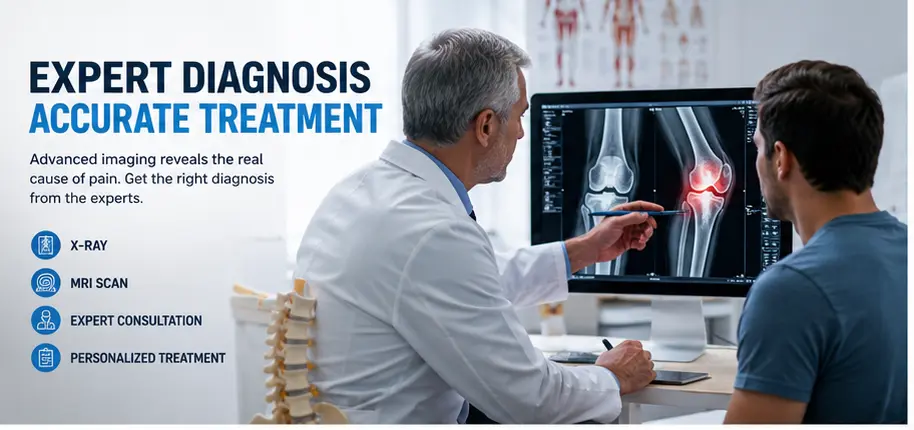
Nobody wants to go under the knife. The thought of anesthesia and scalpels is terrifying. Sometimes physical therapy is enough to build muscle around a weak joint. Sometimes you actually need a piece of titanium screwed into your femur. Recognizing the true source of shoulder pain takes clinical expertise. A rotator cuff tear cannot be diagnosed solely through touch or surface-level inspection.
MRIs reveal the truth hidden beneath layers of muscle and fat. The cartilage might be completely gone.
Enter Dr. Samarjit Khanikar
Dr. Samarjit Khanikar knows how to put pieces back together. People walk into his office with elbows that barely bend and hips grinding bone on bone. You do not want a doctor who sugarcoats the recovery process. Rehab is miserable. A successful surgical outcome depends not only on the procedure itself but also on allowing adequate time for recovery and healing afterward.
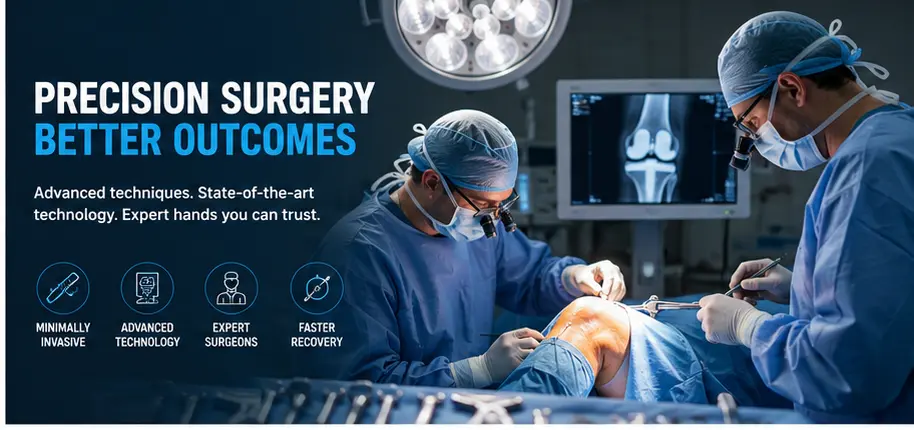
He walks you through the surgical process in a simple, step-by-step manner so you can clearly understand what happens. I bought a new mechanical keyboard last week and the spacebar sticks every time I type fast. It is driving me absolutely insane. Orthopedic surgery requires precision. Screws and plates must be precisely shaped and positioned to match the natural curve of the bones.
You need someone (orthopedic doctors) who has seen thousands of x rays. Experience dictates whether a fracture needs pins or just a cast. The wrong call means a lifetime of chronic pain. When it comes to the human body, accurate diagnosis matters—assumptions can lead to costly mistakes. A successful surgical experience starts with a surgeon patients can trust. Patients look for a surgeon who performs with confidence and precision while communicating openly and clearly throughout the treatment journey. Dr. Samarjit Khanikar is recognized for this balanced approach.
What Makes Treatment Actually Work
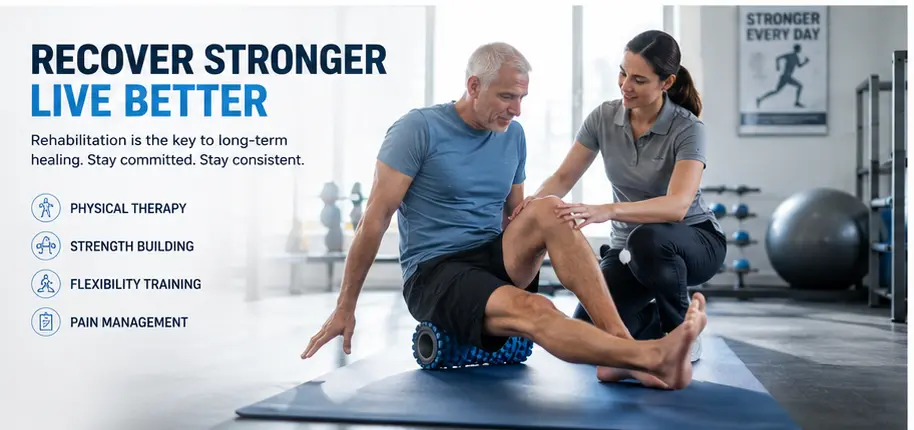
Rehabilitation is where the real work happens. You can have the most brilliant surgeon on the planet install a new knee joint. Regular exercise is essential to prevent the joint from becoming stiff and losing its normal function. Healing is a partnership.
- Hydration.
- Physical therapy must be followed closely, even when it feels difficult or progress seems slow, because tissue healing happens gradually at a microscopic level. Biology cannot be rushed.
- Sleep.
- Nutrition matters heavily when bones are fusing together and you need protein to rebuild the damaged structures holding your skeleton up.
- Ice.
People skip the therapy. They think the surgery is the cure. Not exactly. The surgery is just the structural repair. The therapy is what gives you your life back. Patients complain about the stiffness. They refuse to bend the knee past ninety degrees. Then they end up back in the clinic wondering why they are walking with a limp. Because they gave up.
Visibility And Finding The Right Clinic
You could be the greatest bone specialist in the country. If nobody knows your clinic exists you will be sitting in an empty office. Patients search online the second they feel a twinge in their back. Medical marketing is fiercely competitive. Clinics need to rank high on search engines to survive. This is where PCM Digify comes into the picture. They handle the digital footprint so doctors can focus on actual medicine. You cannot expect a brilliant surgeon to also understand search engine optimization. PCM Digify builds the online presence that connects broken patients with the doctors who can fix them.
A clinic needs a website that loads fast and explains procedures clearly. Patients are often in pain when they are browsing. They do not have the patience for slow loading graphics or confusing menus. Most people are just trying to find practical details like where you are, how to call you, and what insurance you accept. When visitors can’t find the details they need, they’re likely to leave your website and explore other options. The online representation of a medical practice must reflect the professionalism of the actual clinic.
The Patient Experience Under The Fluorescent Lights
Walking into an orthopedic ward is intimidating. There are posters of anatomical structures on the walls showing muscles peeled back to reveal joints. You sit in chairs that are ironically uncomfortable for people with back problems. You wait. The anticipation builds up. You hear terms like osteoarthritis ligament reconstruction and bone spurs. Medical jargon is designed to be precise but it terrifies the average person.
A good specialist (orthopedic doctors) translates that jargon into plain English. They tell you your shock absorbers are worn out. They compare your tendons to frayed ropes. This is the hallmark of NE Ortho care. The communication bridges the gap between a medical degree and a patient who just wants to play golf again. You get handed a stack of paperwork. Consent forms. Medical history. You check boxes asking about family history of rheumatoid arthritis.
The x ray machine buzzes. You wear a heavy lead apron to protect your organs from radiation The imaging specialist may ask you to briefly stop breathing while the scan is being performed. Moments later, the scan appears on the screen—a clear visual snapshot revealing exactly what’s happening beneath the surface. The doctor points to a tiny shadow on the film. A hairline fracture. A torn piece of cartilage floating in the joint space. Seeing the damage is validating. You finally have proof that the pain is not entirely in your head.
Treatment plans vary wildly
Treatment plans vary wildly. Sometimes a steroid injection provides six months of relief. Sometimes you are scheduled for an operation the following Tuesday. Taking time away from work and adjusting your schedule often becomes part of the recovery process. You have to figure out who will walk your dog while you are on crutches. The logistical nightmare of an injury is almost as bad as the physical pain. It disrupts your entire existence. Your calendar is suddenly wiped clean. Cancelled flights. Missed meetings. You are confined to a recliner with bags of frozen peas wrapped around your knee.
Recovery is non-linear. Some days feel good enough that you believe you’re completely healed. You might even walk an extra mile on those days. On other occasions, you may need to take time away from work and adjust everyday responsibilities, even simple tasks like carrying groceries, during the recovery process. The next morning you cannot put weight on the leg. Setbacks are part of the process.
FAQ
Why does my shoulder hurt at night?
Gravity stops pulling the joint down. The space compresses. Inflammation pools in the area when you are lying flat.
How long does a knee replacement last?
Fifteen to twenty years if you treat it right. If you run marathons on a titanium knee it will wear out faster. It is a machine part.
Do I really need physical therapy?
Yes. Skipping it guarantees a terrible outcome. The joint will freeze up and you will regret the surgery entirely.
When should I see orthopedic doctors instead of my regular doctor?
If the pain stops you from doing normal daily tasks for more than a week. If your regular doctor just hands you painkillers and tells you to rest.
Throw out those worn out running shoes you have been wearing since last year and call the clinic to book a consultation before the stiffness becomes permanent.