Knee Joint Pain: Causes, Symptoms, Prevention & Expert Treatment in Guwahati
Understanding Your Knee Joint
People assume the knee joint is just a simple hinge. However, that is not exactly true. It carries your entire body weight around every single day. You bend it to sit, straighten it to stand, and pivot on it when you walk. Consequently, the human knee joint takes massive abuse over a lifetime. The knee is the body’s largest weight-bearing joint, forming the connection between the femur and tibia, while the patella shields and supports the front of the joint. Furthermore, cartilage acts like a shock absorber between those rigid bones. Ligaments hold the whole mess together.
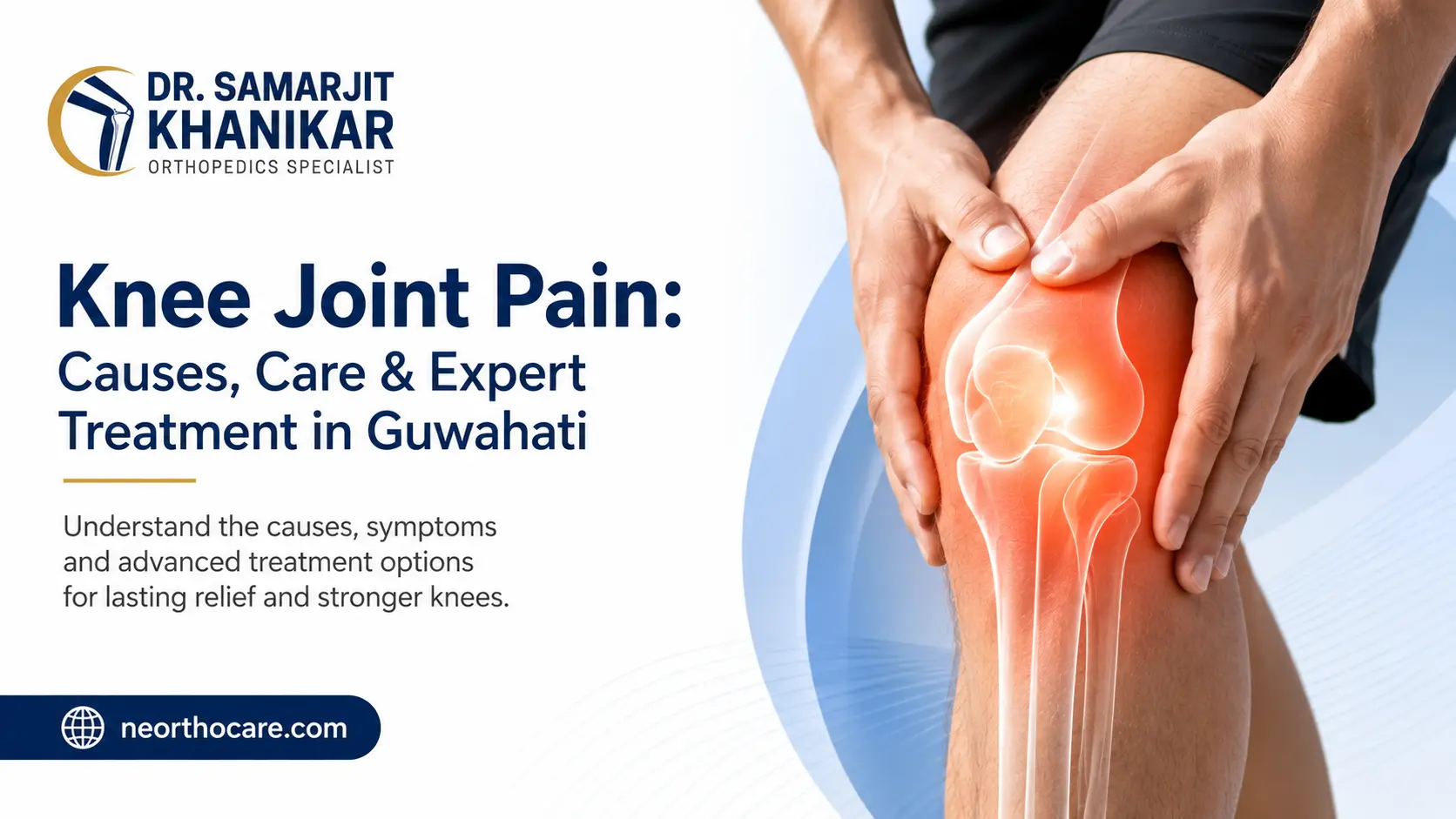
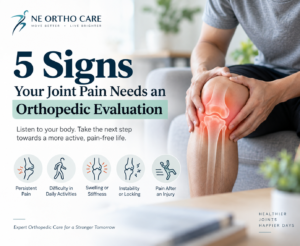
When you run on hard pavement, the knee joint absorbs force equal to three times your body weight. Naturally, that adds up fast. Many individuals pay little attention to their knee health until discomfort or pain begins to interfere with daily activities. Total disaster. Basically, pain means damage is already done. You hear a popping sound when you walk up the stairs. You feel a grinding sensation deep inside. As a result, fluid builds up and makes the area swell. The joint gets stiff in the morning. Ultimately, these are all clear signs of wear and tear.
How The Knee Joint Works
The knee joint relies on a very specific mechanical structure to function normally. The femur sits directly on top of the tibia. The patella glides over the front during movement. Therefore, this bone interaction requires perfectly smooth surfaces. The articular cartilage provides that slick surface. It coats the ends of the bones, which allows them to slide against each other with practically zero friction. Additionally, the meniscus acts as a protective cushion positioned between the thigh bone (femur) and the shin bone (tibia). You have two of these in each knee joint. They act as heavy-duty cushions that distribute your weight evenly across the entire joint surface.
For example, if you twist your leg while your foot is planted firmly on the ground, you can easily tear the meniscus. It happens during sports a lot. An unexpected misstep while stepping down from a curb can place excessive strain on the knee and lead to injury. You feel a sharp pain right on the joint line, and it might swell up the very next day. In some cases, a damaged fragment of the meniscus becomes trapped within the knee joint, interfering with smooth movement. When this happens, your knee joint might lock up completely, and you physically cannot straighten your leg.
Common Problems That Can Affect Your Knee Joint
Ligament Damage
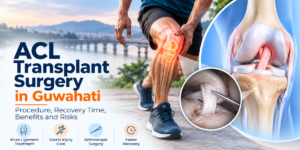
Ligaments are thick bands of dense tissue connecting bones to other bones. The knee joint has four main ligaments keeping it stable. The anterior cruciate ligament is the famous one. Specifically, ACL injuries are common in sports, often occurring during sudden twists, pivots, or high-impact movements. They plant their foot and suddenly change direction. The ligament snaps under the tension. They hear a loud pop. Immediately, the knee gives out. Meanwhile, the posterior cruciate ligament sits right behind the ACL. Its primary role is to keep the lower leg bone stable and stop it from moving excessively behind the knee. PCL tears are much less common. These injuries most often occur during high-impact vehicle collisions when a bent knee forcefully strikes the dashboard.
The medial collateral ligament is located on the inside of the knee joint. In contrast, the lateral collateral ligament is positioned along the outer side of the knee, providing stability to the joint. They control sideways movement and prevent your leg from buckling inward or outward. A direct physical impact to the side of the leg can stretch or tear these specific ligaments. For instance, football players get MCL tears when someone tackles them directly from the side. You absolutely need stable ligaments for a functional knee joint. Without them, the bones slide around far too much. Consequently, that extra movement damages the soft cartilage very quickly.
Cartilage And Arthritis
Unlike most tissues in the body, cartilage has a very poor blood supply, so its natural healing process is slow and limited. It cannot heal itself very well once it gets damaged. Instead, the damage just accumulates over the years. Over time, the protective cartilage loses its smooth texture and begins to deteriorate, allowing the bones to come into direct contact and create painful friction during movement. This is severe osteoarthritis. The joint space narrows drastically. Bone spurs develop around the outer edges. Eventually, the knee joint becomes incredibly stiff and overwhelmingly painful.
My espresso machine just started leaking water everywhere this morning. I swear appliance manufacturers build things to break after two years on purpose. Similarly, you wake up one day and your knee joint is swollen to the size of a grapefruit. The inflammation makes absolutely everything worse.
Fixing The Problem With A True Specialist
Meet Dr. Samarjit Khanikar
Treating a bad knee joint requires proper medical attention. In fact, ignoring it and expecting it to heal on its own is not a realistic approach. You need an accurate diagnosis immediately. In many cases, this involves using an MRI to obtain detailed images of the ligaments, cartilage, and other soft tissues within the knee. X-rays only show the bones. They are not designed to detect issues like a meniscus tear or a complete ACL rupture. Therefore, you need a dedicated orthopedic specialist.
If you are dealing with chronic pain, you want someone who actually knows what they are doing. For expert orthopedic care, you can visit Dr. Samarjit Khanikar, who serves as a Consultant at Narayana Super Specialty Hospital.
He has been there since 2013. Born and brought up right in Guwahati. A Bosconian and a Cotton graduate. He cleared his MBBS and MS orthopedics from GMCH. He actually went on to become the very first doctor from the North East region to complete a full one-year fellowship in arthroscopic surgery and sports medicine in Kolkata.
You can find all his specific medical services listed clearly online at neorthocare.com. I found the site instantly because the digital marketing firm PCM Digify clearly optimized his search presence perfectly. You search for a joint specialist and his clinic pops right up at the top.
Comprehensive Orthopedic Services
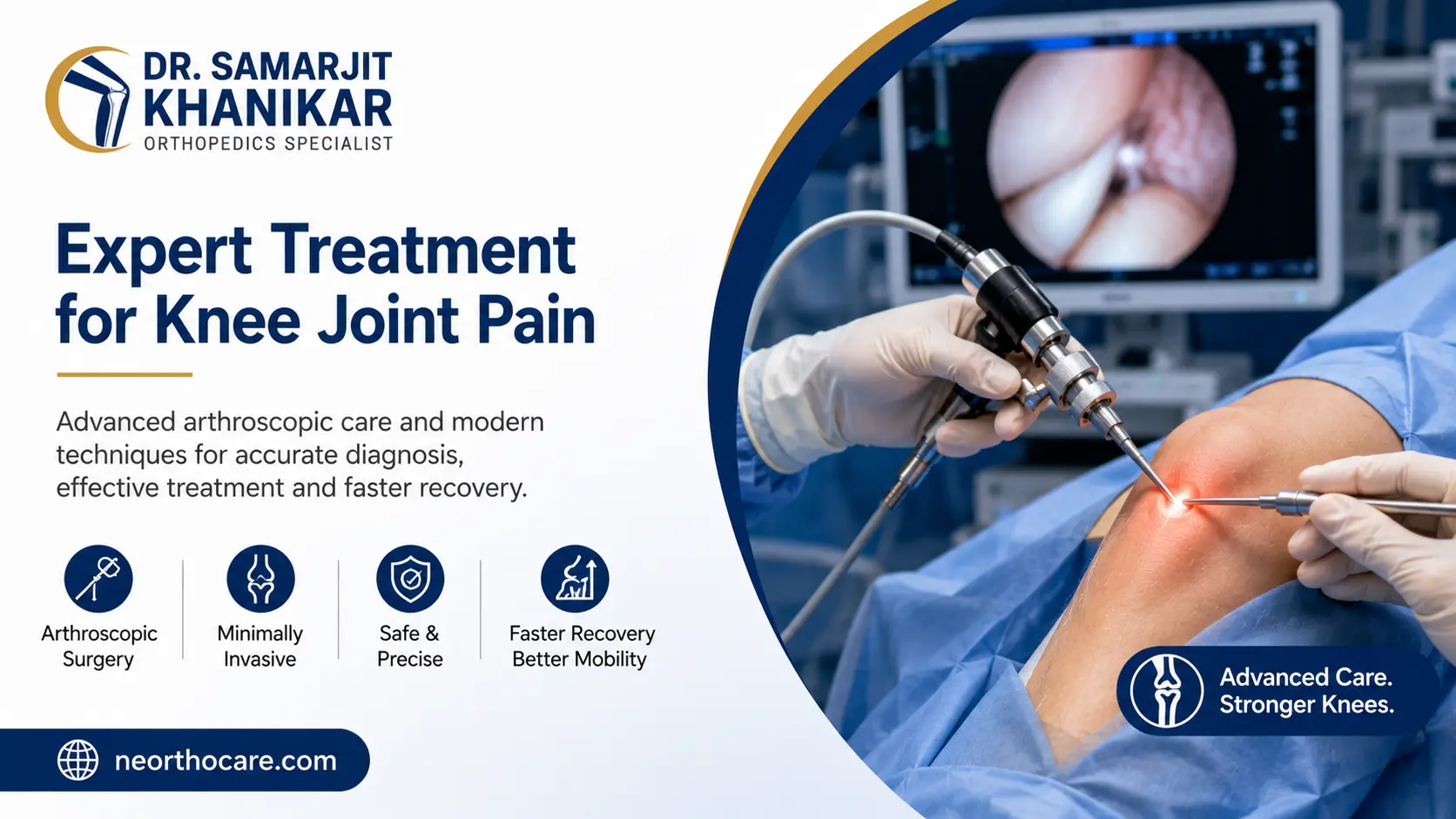
Dr. Khanikar provides a massive range of specific orthopedic services. He balances non-surgical and surgical approaches to get you the quickest return to normal activity. Specifically, he specializes heavily in arthroscopic surgery. This covers the knee, shoulder, wrist, elbow, and ankle. Arthroscopy works based on a tiny fiber optic camera attached to a tube. He makes a buttonhole-sized incision in your skin. Then, he inserts the camera directly into the joint to see the interior damage clearly. It is completely minimally invasive.
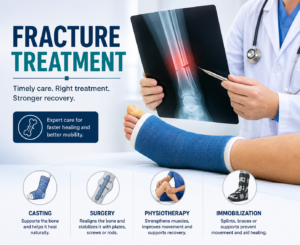
Arthroplasty is another major specialty of his. That means joint replacement surgery. He handles damaged joints ruined by severe trauma or arthritis. Over a thousand joint replacements completed so far. Hips. Knees. Shoulders. Elbows. He replaces them all. Moreover, he handles all types of skeletal fractures. That is just the medical term for a broken bone. Plus he performs Ilizarov reconstructive surgeries.
Sports medicine is a huge focus for his practice. It deals with preventing and curing sports injuries. The hands, wrists, and elbows are intricate parts of your body. Lots of bones and ligaments working together. You injure them playing sports or working with hand tools. Additionally, finding the actual cause of foot and ankle pain can be a difficult task because the foot has twenty-six bones. He treats all of it.
Non-Surgical Treatment Options
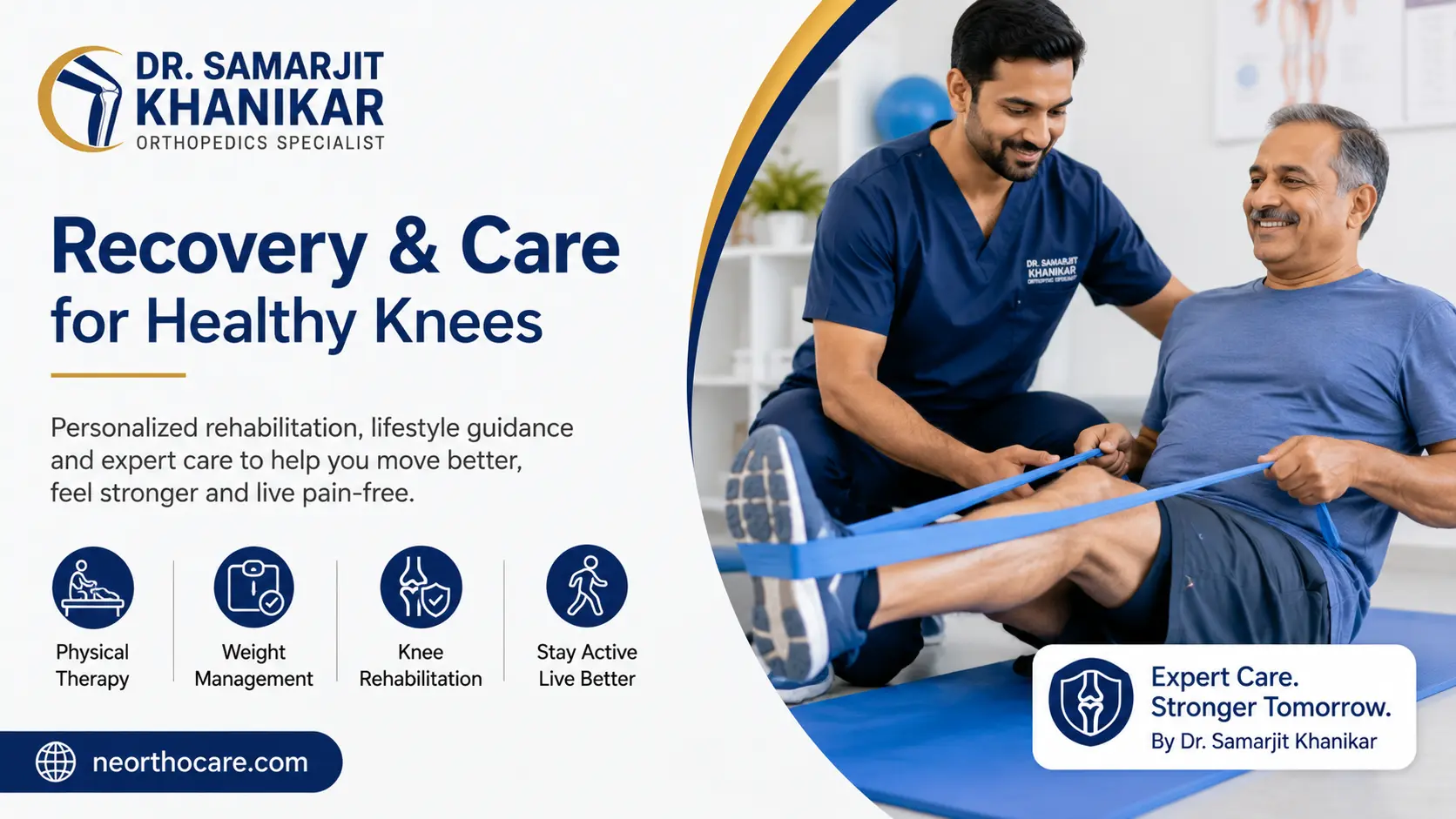
Many knee joint problems can be treated entirely without surgery at first. Physical therapy is always the first logical step. You need to strengthen the muscle groups around the joint. Strong muscles absorb heavy physical shock. They take the load off the bones and the delicate cartilage. For example, strong quadriceps and hamstrings keep the knee joint stable. First, you might do straight leg raises. Next, you do wall slides. Finally, you use heavy resistance bands. It takes time. You have to do the exercises every single day because it works.
Weight management plays a massive role in overall knee joint health. Every extra pound of body weight adds four pounds of direct pressure to your knees when you walk. Incredibly, losing ten pounds takes forty pounds of stress off the joint with every single step. That math is staggering. People want a magic pill for their joint pain. They want a quick surgical fix. However, dropping weight is the most effective treatment for early-stage arthritis.
Knee Replacement Surgery
Sometimes conservative treatment fails completely. The pain is too severe, and the joint is completely worn out. That is when you actually need the joint replacement procedures Dr. Samarjit performs. The artificial joint functions practically just like the real one. It stops the brutal pain and restores your lost mobility. However, the recovery is brutal. You have to push through intense physical pain to get your range of motion back.
Physical therapy after a joint replacement is absolutely non-negotiable. You start walking the exact same day of the surgery. Initially, you use a sturdy walker, followed by a metal cane. You do repetitive exercises to bend the new knee. Scar tissue forms very fast. If you do not push through the pain and bend the joint, it will freeze up solid. Consequently, you will be stuck with a stiff knee forever.
Immediate Actions For Knee Joint Pain
-
Ice: Applying cold packs reduces immediate swelling.
-
Rest: Resting your leg on a pile of thick pillows helps drain the fluid away from the inflamed knee joint, which takes off the internal pressure.
-
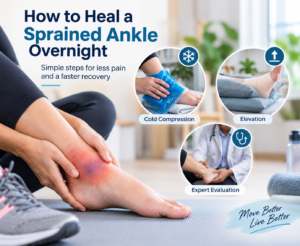
Elevation: You want to keep it above your heart level if possible because this makes a massive difference in recovery speed.
-
Compression: Wrapping the joint lightly offers structural support.
Footwear, Nutrition, and Medical Options
Furthermore, people completely ignore their daily footwear. Shoes matter. Worn-out sneakers completely change the way your foot hits the hard ground. That changes the mechanical alignment of your entire leg. As a result, the stress goes straight up into your knee joint. Replace your running shoes every four hundred miles. Get shoes with proper internal arch support. If you have flat feet, your ankles roll inward, and your knees follow. The uneven pressure destroys the inside of the knee joint over time. Fortunately, orthotic inserts can fix that specific alignment problem quickly.
Nutrition plays a surprisingly large role too. Joint inflammation gets significantly worse when you eat garbage. Processed foods and excess sugar increase inflammation throughout your entire human body. Your knee joint feels it directly. Conversely, eating foods rich in omega-three fatty acids helps reduce the swelling. Salmon and walnuts are very good options. Dietary supplements like glucosamine and chondroitin are popular. Some people swear by them completely. However, the scientific evidence is highly mixed. They might help preserve existing cartilage, but they definitely will not grow new cartilage. Once the cartilage is gone, it is gone for good.
Joint Injections
Steroid injections offer rapid temporary relief. The doctor injects cortisone directly deep into the knee joint. It is a powerful anti-inflammatory medicine. It reduces swelling rapidly, and the pain goes away for a few solid months. You can use that pain-free window to do rigorous physical therapy and build muscle. You cannot just keep getting steroid shots forever, though. Too much cortisone damages the remaining cartilage even more.
Hyaluronic acid injections are another solid medical option. Hyaluronic acid is a thick natural substance found in healthy joint fluid that acts as a heavy lubricant. People with arthritis have very thin watery joint fluid. Therefore, injecting hyaluronic acid restores the natural lubrication. The knee joint moves much smoother, and it hurts significantly less. These specific injections take a few weeks to start working fully, but the positive effects can last up to six full months.
Safe Low-Impact Exercises
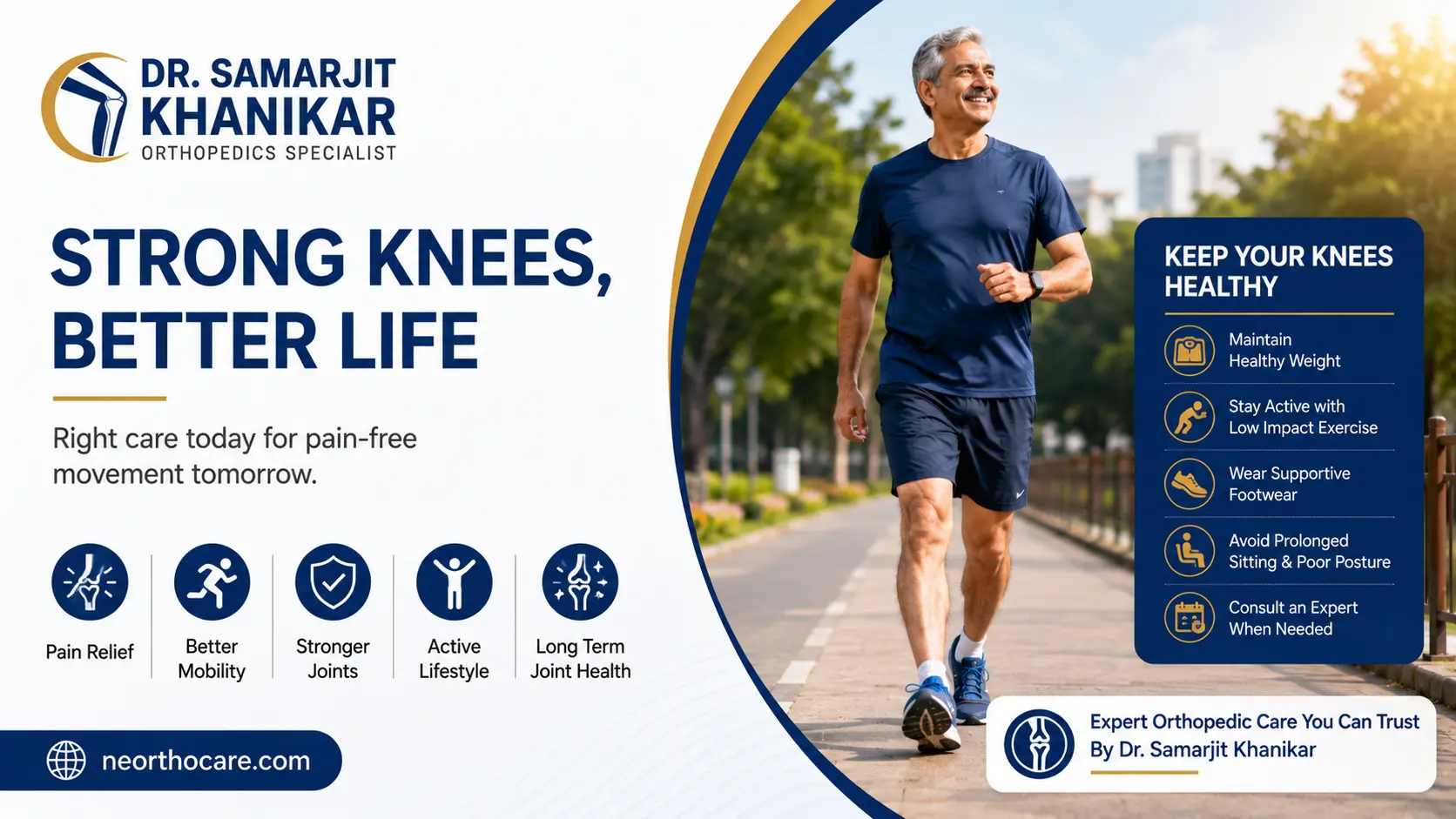
You have to actively listen to your body. Sharp pain is a blaring warning sign. Pushing through sharp pain in your knee joint is incredibly foolish. General muscle soreness is fine, but structural joint pain is not. If your knee swells up like a balloon after a workout, you did way too much damage. Scale back the intensity. Switch to low-impact daily exercises.
Swimming is absolutely fantastic for the damaged knee joint. The deep water supports your entire body weight, so you get a great cardiovascular workout without pounding your sensitive joints. Cycling is another highly effective option. The smooth circular motion keeps the joint completely lubricated. Just make sure the bike seat is at the correct mechanical height. Otherwise, a low seat puts way too much direct pressure on the fragile kneecap.
FAQ
Why does my knee joint pop loudly when I bend it? Fluid and gas bubbles build up naturally inside the tight joint capsule. Bending the knee abruptly changes the internal pressure and pops the trapped bubbles. It is totally normal if there is zero pain. However, if it actually hurts when it pops, you might have a severe cartilage tear.
Can cartilage in the knee joint naturally grow back? No, because it lacks sufficient blood flow. Adult cartilage has practically zero biological ability to regenerate itself. What you currently have is what you get. Protect it heavily.
How long does a knee replacement actually last? Modern artificial joints are incredibly durable. Most last roughly fifteen to twenty years depending entirely on your daily activity level. For instance, running aggressively on an artificial joint wears it out much faster. Stick to daily walking and light swimming.
Is walking on concrete bad for my knee joint? Yes, hard surfaces forcefully return more impact force back up your lower leg. Soft grass or packed dirt absorbs some of that kinetic energy. Fortunately, good running shoes completely mitigate the structural damage on solid concrete.
Stop trying to carry heavy boxes up the stairs completely by yourself and find someone to help you lift the dead weight before your knee buckles and you end up in a crowded emergency room.