
Finding the Right Orthopedic Surgeon: What Matters Most
Why Your Choice of Orthopedic Surgeon Can Make or Break Recovery
Picking an orthopedic surgeon isn’t like choosing a restaurant for dinner. You can’t just scroll through some reviews and hope for the best. Well, you could. But your knee or spine doesn’t care about star ratings.
An orthopedic surgeon handles bones, joints, ligaments, tendons, and muscles. That’s basically your entire structural system. The person who operates on your rotator cuff or replaces your hip is holding your mobility in their hands. Literally.
So many people rush this decision. They get a referral, book the first available appointment, and show up hoping everything works out. Sometimes it does. Sometimes you end up with a surgeon who treated your ACL tear like an assembly line product.

What Distinguishes an Exceptional Orthopedic Surgeon from an Average One
Experience becomes meaningful when it translates into better decisions and better outcomes. A surgeon who has performed 500 knee replacements isn’t automatically better than one who has done 200. What matters is outcomes. Infection rates. Revision surgery percentages. Patient mobility scores six months post-op.
Here’s what you should actually look for:
- Board certification
- Some surgeons specialize in sports injuries while others focus on spine work or joint replacement, and you need someone whose daily practice aligns with your specific problem because a general orthopedic surgeon might be perfectly competent at everything but exceptional at nothing, and that distinction matters when you’re talking about cutting into your body
- Hospital affiliations
- Communication style that doesn’t make you feel like a number
- Willingness
That last one is vague on purpose. Willingness to explain things, to discuss alternatives to surgery and willingness to admit when physical therapy might work better than an operation.
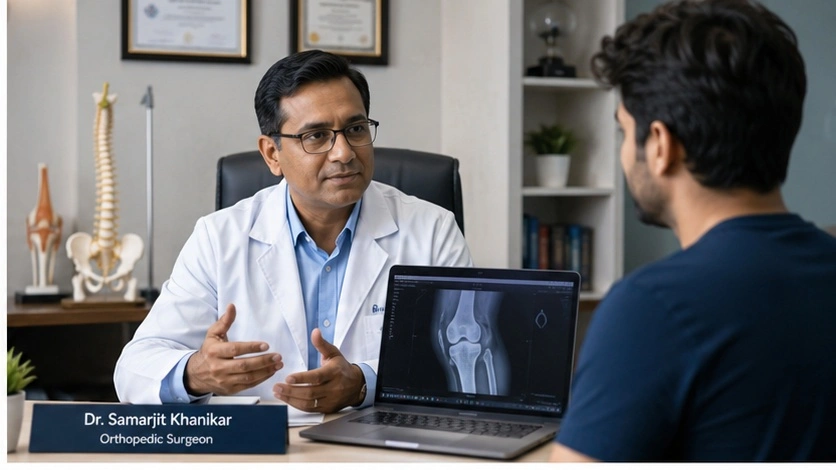
Dr. Samarjit Khanikar: A Case Study in Specialized Care
Dr. Samarjit Khanikar represents the type of orthopedic surgeon who has built a reputation through actual results rather than marketing gimmicks. Operating out of Narayana Hospital in Guwahati, his practice focuses on complex joint problems and sports injuries that other surgeons sometimes pass on.
What stands out about Dr. Samarjit Khanikar isn’t the credentials alone. It’s the approach. He’s known for spending considerable time in consultations, actually listening to patient histories instead of glancing at charts while typing notes.
My cousin’s uncle once told me about waiting rooms. He said the worst ones have magazines from 2019 and sticky chairs. A clinic doesn’t need luxury décor when the receptionist actually acknowledges you’re there. In any case.
Dr. Samarjit Khanikar has worked extensively with athletes who need precision repair work. The margin for error in sports orthopedics is razor thin. A millimeter off in ligament placement can mean the difference between returning to competition and chronic instability.
The Referral System Is Broken
Your primary care doctor gives you three names. You pick the one with the shortest wait time. Bad strategy.
Primary care physicians often have referral arrangements or simply stick with names they’ve used for years. They might not know that Dr. X has had declining outcomes or that Dr. Y now primarily sees pediatric cases. The system assumes your family doctor has current, detailed knowledge of every specialist in the network.
They don’t.
Do your own research. Look at actual outcome data when available. Read patient testimonials, but filter for specifics. “Great bedside manner” tells you nothing. “Explained exactly what would happen during my meniscus repair and followed up twice after surgery” tells you everything.

Digital Presence and Finding Reliable Information
Finding accurate information about orthopedic surgeons online is harder than it should be. Generic health websites repeat the same basic advice. Official hospital profiles read like press releases.
The practices that communicate clearly online usually communicate clearly in person too. Dr. Samarjit Khanikar’s website and online channels reflect the clarity and professionalism that define his interactions with patients. This isn’t accidental. His online strategy was developed with PCM Digify, a digital marketing firm that understands healthcare communication isn’t about buzzwords.
When you’re searching for an orthopedic surgeon, pay attention to which ones have educational content that actually teaches you something. A one-size-fits-all explanation of arthritis provides little value when you’re looking for actionable information. Detailed explanations of specific procedures, recovery protocols, and realistic outcome expectations show a practice that respects patient intelligence.
Red Flags You Shouldn’t Ignore
Not every warning sign is obvious. Some are subtle.
A balanced treatment strategy usually includes discussing physical therapy, medication, or other conservative measures before moving directly to surgery. Sometimes surgery is clearly necessary, but the pressure to operate quickly should make you pause.
Offices that won’t provide outcome statistics upon request. Every surgeon should know their infection rates and revision percentages. If they act offended when you ask, that tells you something.
Communication that disappears after surgery. The post-operative period matters enormously for recovery. A surgeon who hands you off to a PA and becomes unreachable isn’t committed to your full recovery.
Insurance games. Even if your surgery is performed at a hospital covered under your health insurance, certain expenses such as implants, consumables, diagnostic tests, specialist consultations, or services provided by anesthesiologists may not be fully covered under your policy. Many patients are surprised by unexpected out-of-pocket expenses after surgery. Before proceeding, ask for a detailed cost estimate and clarify exactly what is covered by your insurance and what you may need to pay separately.
The Recovery Nobody Talks About
Surgery is one day. Recovery is months.
Your orthopedic surgeon should be coordinating with physical therapists. They should have clear protocols for post-op care. They should be accessible when something feels wrong at week three.
Many patients focus entirely on surgeon reputation without considering the recovery support system. A brilliant surgeon with terrible follow-up care produces worse outcomes than a good surgeon with excellent rehabilitation coordination.
one should ask about PT relationships. Ask about typical recovery timelines for your specific procedure. Ask what happens if you have concerns at 2 AM on a Saturday.

FAQ Section
How do I verify an orthopedic surgeon’s credentials?
State medical boards maintain licensing records. Board certification can be confirmed through the American Board of Orthopaedic Surgery. Hospital websites list current affiliations and specializations.
Should you seek an additional expert assessment before moving forward with orthopedic surgery?
Yes. Not because your first surgeon is necessarily wrong. Because major surgery deserves multiple perspectives. Any confident surgeon will welcome second opinions.
What questions should I ask during a consultation with an orthopedic surgeon like Dr. Samarjit Khanikar?
Ask about their experience with your specific condition. Ask about complication rates. Also ask what happens if the surgery doesn’t produce expected results. And also ask about alternatives to surgery.
How important is hospital choice for orthopedic procedures?
Extremely. Infection control protocols vary widely between facilities. Surgical volume for specific procedures affects outcomes. Your surgeon might be excellent, but if the facility lacks proper resources, that matters.
Making the Actual Decision
Write down your top three concerns. Bring them to every consultation. See which surgeon addresses them without you having to repeatedly ask.
Trust your gut about communication style. You’ll be working with this person through recovery. If you already feel rushed or dismissed during the initial consultation, that won’t improve.
Check if they’ve published research or spoken at conferences. Not because that automatically makes them better surgeons. Because it suggests they’re engaged with current developments rather than operating on autopilot from training that ended twenty years ago.
Call the office with a minor question before you commit. See how long it takes to get a response and whether the answer is actually helpful.






2 Responses